Why Couples Repeat the Same Fight | Couples Therapy NY
Why do couples repeat the same fight? Learn how couples therapy in NY can interrupt automatic conflict patterns and create healthier responses.


What to Expect in Couples Counseling: A First-SessionGuide
Starting couples counseling is a strange mix of relief anddread. You've decided to do something about what's been happening, and thatalone can feel hopeful. But then the questions creep in. Will the therapisttake sides? Will I be asked to relive every fight we've ever had? What if mypartner talks the whole time and I just sit there? What if it gets heated, orone of us just shuts down?
All of that is normal to wonder about.
The first session isn't about arriving with a tidyexplanation of what's wrong. You don't even need to agree with your partnerabout why things are hard. What it's really about is starting to build enoughsafety in the room for both of you to actually be heard — some of you probablyfor the first time in a long while.
What actually happens in that first session
My first session runs 90 minutes, not the usual 50. Thatextra time matters. It lets us slow down instead of rushing through yourhistory to get to "the work."
We'll talk about what brought you in now — not just thegeneral problem, but why now. What each of you sees as the core issue.Where the relationship has its strengths, not just its wounds. The fights thatkeep coming back in different clothes. What you've already tried. Any bigruptures — an affair, a loss, a move, a birth, whatever knocked thingssideways. What you're each hoping changes.
But honestly, I'm listening to more than the content. I'mwatching how the two of you are with each other right there in the room. Whogets louder and more urgent when they feel unheard. Who goes quiet, ordefensive, or checks out entirely. How fast things escalate. Who quietlyabsorbs all the blame just to keep the peace.
That's not small talk — that's the relationship showingitself live. It's more useful to me than almost anything you could tell meabout it after the fact.
Do I take sides?
Most people walk in half-expecting me to hand down averdict. I don't work that way.
My job is to be for both of you — genuinely — while stillbeing honest about what's hurting the relationship. Those aren't in conflict. Ican care about someone and still tell them a behavior isn't okay.
Say one partner's anger comes from a place of fear orloneliness, a desperate wish to finally be understood. That matters, and I wantto understand it. It doesn't mean yelling, contempt, or cruelty get a pass.Same with withdrawal — maybe it's coming from shame or overwhelm, from agenuine fear that anything they say will make it worse. That matters too. Italso doesn't erase what it does to the other person to be met with silence,over and over.
Compassion and accountability aren't a trade-off here. Youneed both at once.
The cycle underneath the argument
Here's something most couples don't realize until it's namedfor them: you're probably not struggling because you've never talked about theissue. Most couples I see have talked about the same thing for years. That'snot the problem.
The real problem shows up once things get activated. Oneperson's defense mechanism sets off the other person's, and it spirals fromthere — every single time, almost like clockwork.
One of you reaches, pushes, questions, because distancefeels unbearable. The other pulls back, shuts down, leaves the room, becauseintensity feels like too much. And then the reaching gets more urgent becausethe distance grew, and the withdrawing gets deeper because the intensity grew.Around and around.
Eventually you both land in the same place, just fromopposite directions: you never listen. nothing I do is enough. you don'tcare. I can't win. I'm completely alone in this.
The actual topic — money, sex, whose parents you're seeingfor the holidays, a text that went unanswered for six hours — is almost neverthe real thing. Underneath it is usually something like a fear of beingabandoned, or not being enough, or losing yourself, or being betrayed. Thatfirst session is where we start pulling that cycle out into the open, so itbecomes something you can look at together instead of something thatkeeps happening to you.
What I'm actually listening for
Every couple that sits down with me brings two nervoussystems and two entirely different sets of survival strategies learned inearlier relationships, long before you two met.
While you're talking, I'm tracking a few layers at once —what you're saying, sure, but also what's underneath it. What each of yourbodies is doing right now. Which old fear just got triggered. What each of youis protecting, and what you're actually longing for underneath the protecting.How you're both, without meaning to, keeping this pattern alive together.
A lot of this shows up in the body before either of you haslanguage for it. A jaw sets. Breathing goes shallow. Someone leans in andstarts talking faster. Someone else goes still, or blank, or looks away.Learning to catch those early signals — before the fight takes over completely— is often what gives couples their first real shot at choosing a differentresponse instead of running the same script.
Setting up some ground rules
Couples work needs enough structure that both people canactually participate in it. So in that first session I might slow things waydown, step in if it's escalating, ask one of you to just listen while the othertalks, or help translate an accusation into whatever's more vulnerable sittingunderneath it.
We'll usually land on a few basic agreements — no yelling,no name-calling, no contempt or mocking, no talking over each other, the optionto call a pause when it gets to be too much (with an agreement to come back toit), speaking from your own experience rather than diagnosing your partner's.
None of this is meant to make your conversations calm andtidy. Big feelings are welcome here. The point is just to keep those feelingsfrom doing damage to either of you or to the relationship itself.
Where EFT and Relational Life Therapy come in
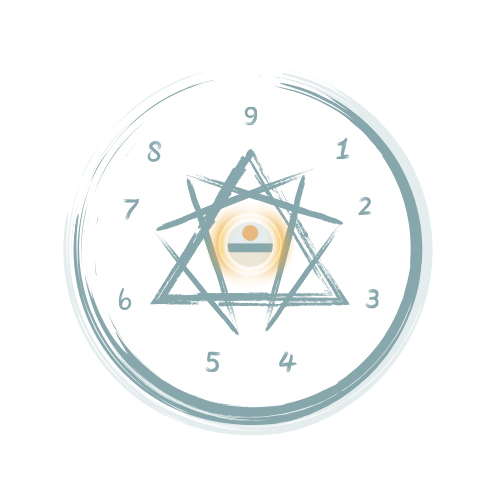
I work from a blend of Emotionally Focused Therapy andRelational Life Therapy, along with attachment theory, somatic work, andsometimes the Enneagram when it's useful.
EFT is what helps us find the cycle and get underneath theanger or the shutdown to the softer stuff that's actually driving it. "Younever prioritize me" is often really saying I'm afraid I don't matterto you. "I don't want to talk about this anymore" is often reallysaying I feel like I'm failing at this and I don't know how to stay withoutmaking it worse.
Relational Life Therapy is where the directness comes in —the accountability piece. Understanding why someone developed a certainhabit can open up compassion for them. But we also have to look honestly atwhat that habit is doing to the relationship right now, whether that'savoidance, dishonesty, chronic criticism, contempt, or one person carrying waymore of the relational weight than the other.
I want both of those things in the room — real tendernessfor what you've each been through, and real honesty about what needs to change.
Do we have to talk about our childhoods?
Not for its own sake, no. This is therapy about therelationship you're in now. But your history comes up when it explainswhy a particular moment carries so much charge.
Your nervous system doesn't just respond to what's happeningtoday — it's also responding through everything it learned in earlierrelationships. A partner going quiet might trigger an old fear of being left. Acertain tone of voice might stir up shame from an unpredictable parent. Oneperson reaching for closeness might feel like comfort to them and like beingswallowed whole to you.
We go there when it helps make sense of the present, not todig around in the past for its own sake. And understanding where a pattern camefrom doesn't get you off the hook for it — if anything, it asks more of you,because now you know what you're doing and to whom.
What if one of us talks a lot more than the other?
Very common, and it's fine. One partner often shows up moreverbal, more urgent, further along in naming what they feel. The other might bequieter, more skeptical of the whole process, or just slower to find words forwhat's going on inside.
I'm paying attention to both of you. The more talkativepartner often needs help slowing down and getting to the softer feelingsinstead of just the argument. The quieter partner often needs more space, moredirect questions, and support staying present instead of disappearing.
Equal participation was never about equal word count. It'sabout making sure neither of you is running the room, and neither of you isvanishing from it.
What if things get heated in session?
They might. A lot of couples come in precisely becausecertain conversations have become impossible to have safely on their own.
When it starts ramping up, I'll often ask you to pause for asecond and notice what's happening in your body, what feeling is under thereaction, what you're afraid is about to happen, and what you most want yourpartner to actually understand.
None of that is about shutting the emotion down. It's abouthelping it become something you can actually communicate, instead of somethingthat just runs you over.
Over time, this is where the real shift happens. Someonesays something painful and the relationship doesn't fall apart. Someone owns amistake without collapsing into shame over it. A boundary gets stated clearlyand the connection survives it. Those moments start to rewrite what you bothexpect from each other.
What one session can't do
You might leave that first session with real relief, justfrom finally having the problem held by someone else for an hour and a half.You might also leave seeing more clearly how tangled the pattern has actuallygotten. Both are normal, and honestly both are good signs.
Cycles that have been running for years don't unwind in oneconversation. What comes after is the slower work — naming the cycle clearly,building up your ability to stay regulated in hard moments, developing realcommunication instead of the same old scripts, getting to the vulnerable stuffunderneath the defenses, addressing whatever's actively harmful, rebuildingtrust through consistency instead of promises, repairing old injuries,renegotiating who does what, and finding your way back to intimacy — emotionaland physical both.
The point of session one is simpler than all of that:figuring out where you actually are, what the relationship needs, and whetherworking with me is the right fit for both of you.
When couples therapy isn't the first move
Couples counseling isn't automatically right for everysituation. If there's coercive control, ongoing violence, intimidation, or realfear of what happens if someone speaks honestly, that needs a different kind ofsafety assessment first — sometimes individual work or a more specializedintervention has to come before couples work can happen at all.
Active substance use, untreated psychiatric crisis, or anaffair that's still hidden and ongoing can also change what kind of work ispossible right now. I take all of this seriously and without judgment —physical and emotional safety come before anything else we might try to build.
After the first session
By the end, we'll usually have a first read on what'sactually bringing you in, the cycle keeping you both stuck, what each of you iscarrying emotionally, the strengths you already have to work with, and wherechange needs to start.
You might walk out with a new way of understanding the fightyou keep having, something specific to try next time it flares up, or just aninvitation to start noticing the pattern as it happens.
Online couples counseling
I work with couples throughout New York — NYC, Brooklyn,Westchester, and beyond — entirely online.
Before your first session, find a private room where you canboth talk freely without getting interrupted. Being in the same room togetherusually works best, though there are situations where separate spaces make moresense.
Virtual sessions let me see everything I'd catch in person —tone, timing, a flinch, a withdrawal, an attempt to reach back out. And you getto do this work from your own space, without adding a commute on top ofeverything else.
Getting ready for your first session
You don't need a prepared history, and you don't need toagree with your partner on a single version of what's wrong. It can help to sitwith three questions beforehand: What's actually become painful between us?What do I want my partner to understand about my side of this? What am Iwilling to look at or change in myself?
Come ready to be honest, to listen with some curiosity, andto accept that the relationship might look different from where your partner isstanding than it does from where you are. You're not expected to have thissolved before you walk in. That's what the process is for.
Taking the first step
If you're looking into couples counseling at all, some partof both of you still cares about what happens next. Maybe you're trying toprotect something that still matters. Maybe you're figuring out if trust canactually be rebuilt. Maybe you just know the way you've been relating isn'tsustainable anymore.
Couples therapy gives you a place to step outside the cycle,understand what's really been happening underneath it, and start building backthe safety, honesty, and connection you're looking for.
I offer online couples counseling across New York forcouples dealing with recurring conflict, communication breakdown, trustruptures, disconnection, intimacy issues, parenting stress, and major lifetransitions.